

What happens to a hedgehog’s body during hibernation?
The science of hibernation
When winter hits and food becomes scarce, hedgehogs have an incredible survival strategy: hibernation. This is a natural process that helps them conserve energy during cold months when food is hard to find (Reeve, 1994).
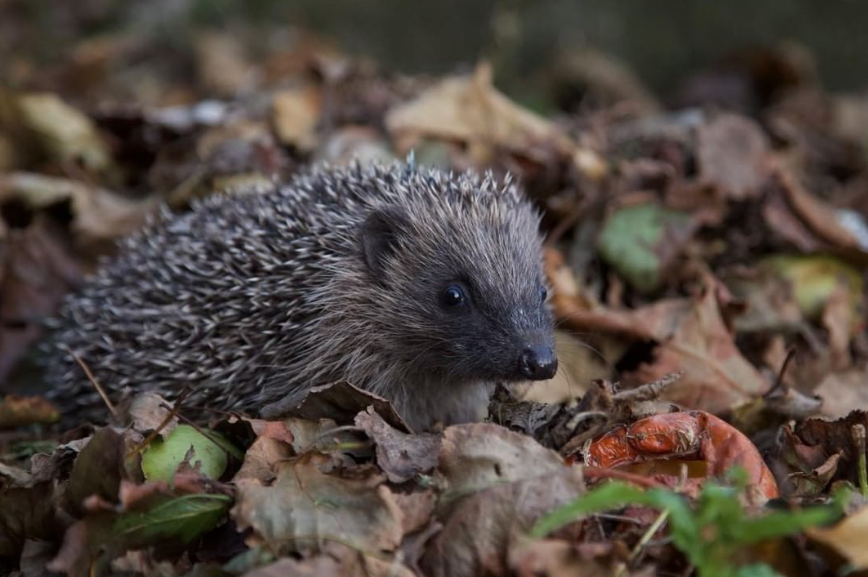
What happens during hibernation?
Hibernation isn’t just a long nap—it’s a complete slowdown of the body. A hedgehog’s heart rate can drop to just five beats per minute, and its breathing slows to about 13 breaths per minute (Pfäffle, 2010). Their metabolism also slows dramatically, thanks to changes in blood chemistry, like lower insulin levels and reduced platelets levels prevents clotting (Reeve, 1994; de Vrij & Henning, 2015).
When do hedgehogs hibernate?
In the UK, hedgehogs usually hibernate from October to April, but the exact timing depends on factors like temperature, food availability, and the animal’s condition. Cold weather—around 5°C or below—is one of the main triggers (Reeve, 1994).
However, in Cornwall, hibernation tends to start much later and finish earlier because of the region’s milder winters. In fact, some hedgehogs in Cornwall may not hibernate at all, especially if food remains available and temperatures stay relatively warm.
Fuel for hibernation
Before hibernation, hedgehogs need to bulk up on fat. Fat reserves are crucial because they provide the energy needed to survive the winter months. While weighing a hedgehog gives you a number, it doesn’t tell the whole story—body condition is far more important, as it shows whether the hedgehog has enough fat stored to make it through hibernation. They store white fat under the skin and around internal organs for long-term energy, and brown fat in specific areas like the armpits to help them warm up during brief wake-ups (Reeve, 1994).
* Please note we do NOT advise weighing visiting hedgehogs in winter months. If you are concerned about a hedgehog please call a rescue straight away for advice.
Do hedgehogs wake up during hibernation?
Yes! Hedgehogs experience spontaneous arousals, short periods when they wake up during hibernation. These can last for a couple of days and may involve changing nests. Scientists think these wake-ups help the body recover from stress caused by the long metabolic slowdown (Humphries et al., 2003). On average, hedgehogs wake up every 7–11 days during hibernation (Reeve 1994 refers to: Kristoffersson & Soivio, 1964).
Weight loss during hibernation
Hibernation comes at a cost: hedgehogs can lose 20–30% of their body weight over the winter or 0.2% of their body weight each day spent in hibernation (Jensen, 2004).
Top 5 ways to help hedgehogs during hibernation in Cornwall
Leave natural shelter in gardens and hedgerows
Hedgehogs nest in leaf piles, compost heaps, log stacks and dense hedgerows. Avoid cutting back hedges or clearing garden debris during winter wherever possible.Provide a sheltered hedgehog house
A well-placed hedgehog house can offer dry nesting site during wet winters or where natural habitat is limited. Position it in a quiet, sheltered spot and cover it with leaves or brushwood for insulation.Avoid disturbing hibernating hedgehogs
Hibernation isn’t a deep sleep. Waking a hedgehog uses up precious fat reserves. Always check carefully before bonfires, garden clearance or hedge cutting.Offer food in autumn, early spring and mild spells
Putting out kitten or cat biscuits can help hedgehogs build and restore energy reserves. Fresh water should be available year-round. Never feed milk or bread, as these can cause serious health problems.Create hedgehog highways between gardens
Small gaps (around 13 × 13 cm) at the base of fences allow hedgehogs to move freely between gardens accessing nest sites, water sources and habitat for foraging.
Read more
References
· Reeve, N. J. (1994) ‘Hedgehogs’. London: T & A D Poyser Ltd.
· Pfäffle, M. P. (2010) ‘Influence of parasites on fitness parameters of the European hedgehog (Erinaceus europaeus)’. PhD thesis. Karlsruhe Institute of Technology. Available at: http://d-nb.info/100808445X/34 (Accessed: 27 November 2014).
· de Vrij, E. L. and Henning, R. H. (2015) ‘How hibernation and hypothermia help to improve anticoagulant control’, Temperature, 2(1), pp. 44-46
· Humphries, M. M., Thomas, D. W. and Kramer, D. L. (2003) ‘The role of energy availability in mammalian hibernation: A cost-benefit approach’, Physiological and Biochemical Zoology, 76(2), pp. 165-179.
· Jensen, A. B. (2004) ‘Overwintering of European hedgehogs Erinaceus europaeus in a Danish rural area’, Acta Theriologica, 49(2), pp. 145-155.